TL;DR: A propane generator running during a power outage sent seven people from East Liverpool's central fire station to the hospital after a ventilation door was closed.
Seven Treated After Central Station Exposure
On Sept. 19, 2026, The Review covered a carbon monoxide incident at the East Liverpool Fire Department, according to Propane Insider in its Sept. 29, 2026 report titled "Fire station CO case tied to propane generator."
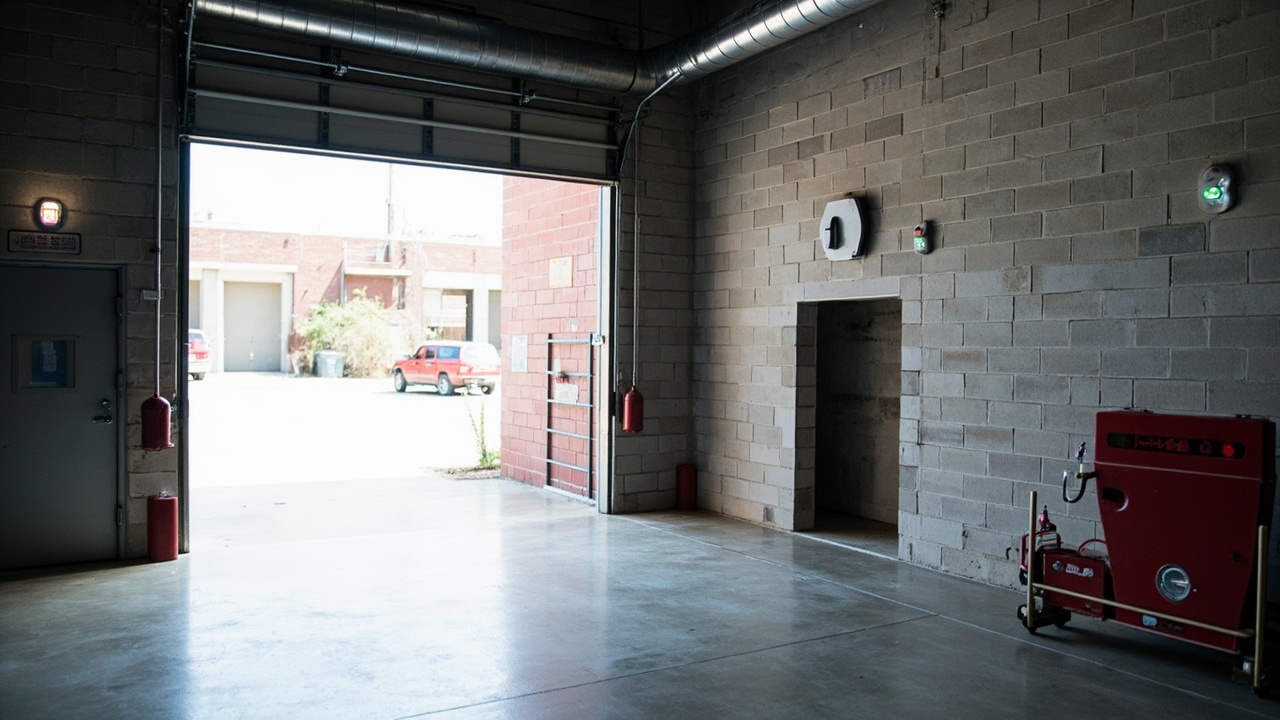
A Monday case at central station sent seven people to the hospital. Fire Chief Antony Cumo said a propane generator caused the incident. The poisoning happened after someone closed a door that had been opened to provide ventilation.
Cumo said the propane generator tied to the case is gone and will not run again. Operations at the fire department have returned to normal.
Cumo said his investigation is wrapping up. Safety/Rules Chair Deb Danver said a crisis management and emergency action plan is needed.
Who Was Counted In The Hospital Total
Initial reports listed five employees. That group included four firefighters plus one police dispatcher, according to Propane Insider's summary of The Review's coverage.
An off-duty dispatcher stopped by with her young daughter, and both were treated. That brought the total to seven people sent to the hospital.
Cumo said they were left off the initial report because of discomfort releasing information about a minor. The distinction explains the difference between the first count of five employees and the later total of seven people treated.
The account does not list ages, treatment locations, release dates, or medical conditions for any of the seven. It also does not give the calendar date of the Monday case, only that The Review covered the incident on Sept. 19, 2026.
Closed Door Removed The Ventilation Margin
The generator was operating to supply backup power during an outage. A door had been opened to provide ventilation for the propane unit.
Someone later closed that door. After the closure, carbon monoxide accumulated to a level that caused poisoning inside central station.
Cumo said no one knew about the planned outage until power was about to drop. That short notice left staff with little time to arrange backup power.
The report does not identify who closed the door, the exact run time of the generator, or measured carbon monoxide readings at central station. It also does not describe the generator's make, size, age, or installation location beyond its link to the station during the outage.
Detectors Added And Unit Removed
Cumo noted CO detectors and smoke detectors have been installed at central station, according to Propane Insider.
The propane generator tied to the case is gone and will not run again. That removal eliminates repeat operation of the same unit at the station.
Operations at the fire department have returned to normal. The report does not describe replacement backup-power equipment, a revised generator placement, or a new ventilation procedure adopted after the incident.
Cumo said his investigation is wrapping up. Danver said a crisis management and emergency action plan is needed, but the report does not state that such a plan had been adopted by Sept. 29, 2026.
Why Outage Season Raises Generator Risk
With a nor'easter threatening New Jersey through the weekend with heavy rain, coastal flooding, high winds and potential power outages, the New Jersey Poison Control Center urged residents to protect themselves from carbon monoxide poisoning, according to Rutgers University in its Sept. 25, 2026 report titled "As a Nor'easter Threatens the Garden State, One Generator Mistake Can Prove Deadly."
Exposures frequently occur when power outages lead people to use generators and other fuel-burning equipment improperly. That pattern places backup-power users, neighbors, children, and pets in the same exposure group when exhaust enters a building.
"Carbon monoxide poisoning is one of the leading hidden dangers during and after severe weather," said Bruce Ruck, managing director of the New Jersey Poison Control Center at Rutgers New Jersey Medical School.
Carbon monoxide is an invisible, odorless gas that can cause serious injury or death. Early symptoms often mimic common viral illnesses, making recognition difficult without a working alarm or a clear exposure history.
Symptoms And When To Suspect Exposure
Symptoms may include headache, dizziness, weakness, nausea, vomiting, chest pain and confusion, according to Rutgers University.
Carbon monoxide poisoning should be suspected if symptoms improve after leaving the building or if multiple people in the home become sick at the same time. Illness in a pet at the same time as people also points toward possible exposure.
"Working carbon monoxide detectors save lives," Ruck said.
Ruck said to install detectors on every level of the home and near sleeping areas, test them before the storm arrives, and replace batteries or units as needed. He said if a carbon monoxide alarm sounds, do not ignore it.
Propane Insider's dealer guidance added that customers who run propane generators should stay with the maker's venting steps and use working CO alarms. That guidance also states that if a CO alarm sounds, get everyone outside into fresh air and call 911.
Placement Rules That Keep Exhaust Outside
Ruck said to use generators outdoors only and place them at least 20 feet from a home and neighbors' homes and away from doors, windows and vents, according to Rutgers University.
Do not move generators into garages, sheds, basements, crawl spaces, enclosed porches or other enclosed areas to protect them from rain. That instruction applies even during heavy rain, coastal flooding, and high winds.
Use grills, camp stoves and other fuel-burning devices outdoors only. Do not leave a vehicle running or charge devices using a vehicle parked inside a garage, even if the garage door is open.
Propane Insider separately advised training staff to flag backup power on outage-season calls. Its listed action steps were to ask outage callers if they run a propane generator, log which accounts use backup power, and brief crews before peak outage weeks.
What To Do If An Alarm Sounds Or Illness Appears
Get everyone, including pets, out to fresh air immediately, according to Rutgers University. Do not delay getting outside to fresh air by opening windows or searching for the source of the gas.
Call 911 right away if someone is unconscious, difficult to wake up, not breathing normally or having a seizure. Contact the local fire department or utility company about the suspected exposure.
Call the New Jersey Poison Control Center at 1-800-222-1222 for immediate medical guidance. Free, confidential expert medical guidance is available 24/7 through the Poison Help line at 1-800-222-1222 or by chatting online.
If a carbon monoxide alarm sounds, leave the area immediately and get everyone, including pets, into fresh air. Do not return to investigate the generator, open windows first, or look for the source before leaving.
For preppers, the East Liverpool sequence carries a direct lesson: keep a ventilation path open and unchanged while a fuel-burning generator operates, keep working CO alarms in place before an outage, and treat a closed door, a moved unit, or a silenced alarm as a stop-work signal until exhaust is again directed outside.
Sources referenced
- Fire station CO case tied to propane generator - Propane Insider (https://propaneinsider.com/newsletter/3558)
- As a Nor'easter Threatens the Garden State, One Generator Mistake Can Prove Deadly - Rutgers University (https://www.rutgers.edu/news/noreaster-threatens-garden-state-one-generator-mistake-can-prove-deadly)