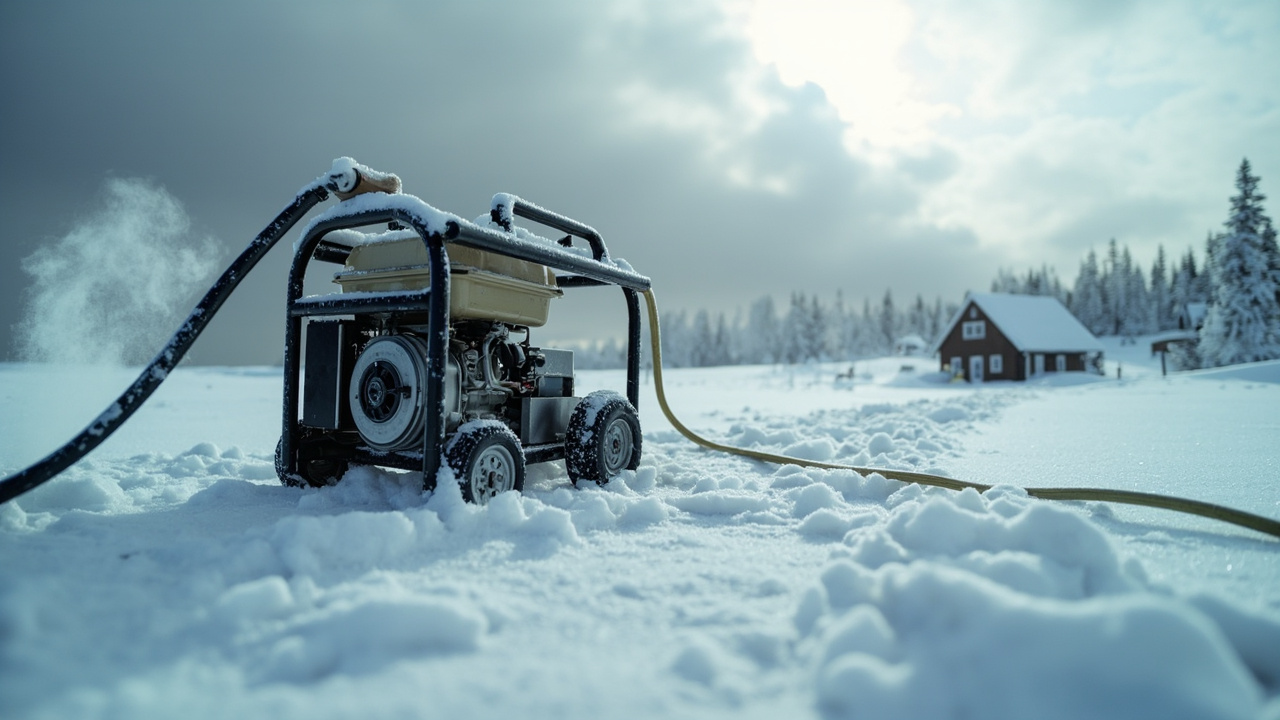
TL;DR: Run a portable generator outdoors away from doors, windows and vents, never plug it into home wiring without a professionally installed transfer switch, and shut it down and let it cool before refueling.
Use Generators Safely During Winter Storms
The answer is placement, connection, and fuel handling. According to Use generators safely during winter storms - Indiana Electric Cooperatives, a portable unit that is helpful in a power outage can still create carbon monoxide poisoning, electrocution or electric shock, and burns and fire. The guidance posted August 28, 2026 by IEC Editorial Staff says keeping those three risks in mind during installation or use helps protect the household and other people.
A second reminder from the Midwest storm season reinforces the connection risk. According to Protecting your family, community: safe generator use helps prevent re-energizing power lines – The Troy Times Tribune, reporting published August 25, 2026, an improperly connected generator can re-energize power lines and create a potentially deadly hazard for utility workers, first responders and the public.
Why winter outages raise the stakes for generator owners?
Indiana Electric Cooperatives states that backup generators can be helpful during a power outage, while portable generators can pose risks. The cooperative groups those risks as carbon monoxide poisoning, electrocution or electric shock, and burns and fire.
The Troy Times Tribune report describes the same outage context from the utility side. It says power lines are often shut off for repair or replacement during outage events, yet an improperly connected home or business generator can send electricity back onto those lines. That condition creates a potentially deadly hazard for utility crews, first responders and the public.
The report ties storm preparation to recent tornado activity. It states that as of July 31, Illinois led the nation in confirmed tornadoes that year with 221 preliminary tornado reports, while Indiana was second with 89. It says tornadoes and severe storms are on the rise in communities across Missouri and Illinois, and that Ameren is reminding customers to ensure backup generators, rooftop solar panels and battery storage systems are installed and operated safely.
Risk 1: Carbon monoxide from small combustion engines
Where does the gas come from?
Indiana Electric Cooperatives states that small generators use a combustion engine that usually burns gasoline or other liquid fuels. It states that like any gas-powered machine, these small engines produce carbon monoxide.
Where should the generator run?
The cooperative says consumers should keep generators outdoors and away from doors, windows and vents to prevent carbon monoxide poisoning. It says to point the exhaust away from the home and locate the generator downwind from the home.
Its checklist repeats the placement rule in shorter form. It says to operate a generator outdoors in a well-ventilated area.
Why add an indoor alarm?
The checklist says to install carbon monoxide alarms inside the home to provide an early warning. The alarm does not replace outdoor operation. The listed rule pairs outdoor use with indoor alarms, not indoor use with an alarm.
Risk 2: Electrocution, electric shock and backfeed
What is backfeeding?
Indiana Electric Cooperatives says never plug a generator directly into home wiring. It defines “backfeeding” as power from the generator moving throughout the house in reverse. It says backfeeding can even feed onto the electric utility’s power lines.
The Troy Times Tribune report uses the same term for customer-owned equipment. It describes electrical “backfeed” as a dangerous condition that can occur when electricity from a customer-owned generator or solar system flows back onto power lines or electrical equipment.
Who faces danger from backfeed?
Indiana Electric Cooperatives says the direct-connection ban protects utility workers, neighbors and those in the household from electrocution dangers. It says workers attempting to restore power might unexpectedly encounter high voltage, which could cause fatal shock.
The Troy Times Tribune report says an improperly connected generator can re-energize power lines. It says power lines and equipment that people may believe are de-energized can become energized by backfeed, putting utility crews, first responders and the public at risk.
Ameren director of safety Tommie Bugett is quoted in that report:
“Most importantly, a generator should never be plugged directly into a household wall outlet”
The same report adds Bugett’s warning that backfeed from an improperly connected generator can energize power lines and equipment.
What is the safe connection method?
Indiana Electric Cooperatives says to have a professional install a transfer switch to prevent a “backfeed.” Its checklist says not to plug a generator into the wall without installing a transfer switch to prevent backfeed.
The Troy Times Tribune report lists the same professional step. It says customers should have a qualified electrician install a transfer switch or generator interlock kit. It also says to use properly rated extension cords to run power directly from the generator outlets to individual appliances, bypassing home wiring.
The report adds three related equipment rules. It says to follow all manufacturer instructions, to ensure customer-owned generation equipment complies with applicable electrical codes and safety requirements, and to properly maintain generators, solar systems and battery storage equipment.
How do crews handle the same hazard?
The Troy Times Tribune report says Ameren continues to train employees to work safely around potential energy sources during routine operations and storm restoration. It says crews follow established procedures that include testing equipment, verifying conditions and using appropriate grounding practices before performing work.
It says Ameren employees may encounter generators, solar panels and battery storage systems connected to customer properties during outage restoration. It says proper installation helps ensure those systems can be used safely while protecting utility workers and first responders working to restore service.
What do wet conditions change?
Indiana Electric Cooperatives says not to use a generator in rainy or wet conditions in order to avoid the risk of electrocution. It says it is also important not to handle the generator with wet hands to avoid electric shock.
The checklist repeats both points. It says not to touch the generator with wet hands to avoid electrocution.
For outage planning, that means the operating decision includes weather and personal contact. A unit that is safe in a dry outdoor location is not described as safe to operate in rain or wet conditions, and it is not described as safe to handle with wet hands.
Risk 3: Burns, fire and fuel handling
How should extra fuel be stored?
Indiana Electric Cooperatives says to store extra fuel in an American National Standards Institute-approved container in a cool, well-ventilated place away from fuel-burning appliances.
When is refueling allowed?
The cooperative says to always turn off the generator and let it cool before refueling. It says gasoline spilled on hot engine parts could ignite.
The checklist states the same sequence. It says to turn off the generator before refueling with gasoline to allow it to cool down.
How should startup, cords and load be handled?
What order should startup follow?
The Indiana Electric Cooperatives checklist says to turn the generator on before plugging in appliances. That order keeps the connection step after the unit is running, rather than connecting appliances first.
What cord is specified?
The checklist says to use a heavy-duty, outdoor-rated extension cord rated at least equal to the sum of the connected appliances. The Troy Times Tribune guidance separately says to use properly rated extension cords to run power directly from generator outlets to individual appliances.
What does overload mean for households?
The checklist says not to overload the generator. It does not assign a wattage number to a particular home. The practical application in the listed guidance is to stay within the unit’s rating, use a cord rated at least equal to the sum of connected appliances, and add appliances only after the generator is on.
Is a portable unit permanent power?
The checklist says not to use a generator as a permanent solution. Indiana Electric Cooperatives frames backup generators as helpful during a power outage, not as a replacement for utility service.
Where are model-specific rules found?
The checklist says to consult the owner’s manual for the generator for specific safety instructions. The Troy Times Tribune report separately says to follow all manufacturer instructions.
Pre-storm generator readiness checklist
This checklist uses only the steps named in the two cited reports. It is written for planning before an outage, not for improvising during one.
- Place the planned operating spot outdoors, in a well-ventilated area, away from doors, windows and vents.
- Plan exhaust direction away from the home and select a downwind location for the home.
- Install carbon monoxide alarms inside the home for early warning.
- Arrange professional installation of a transfer switch before any connection to home wiring.
- If no transfer equipment is installed, plan to run properly rated or heavy-duty outdoor-rated cords directly from generator outlets to individual appliances.
- Keep the generator off home wiring and off wall outlets.
- Plan startup so the generator is turned on before appliances are plugged in.
- Keep operation out of rainy or wet conditions and avoid handling with wet hands.
- Store extra fuel in an American National Standards Institute-approved container in a cool, well-ventilated place away from fuel-burning appliances.
- Shut the unit off and allow cooling before refueling with gasoline.
- Do not overload the unit and do not treat it as permanent power.
- Keep the owner’s manual and manufacturer instructions with the unit and review model-specific safety instructions.
- Have a qualified electrician install a transfer switch or generator interlock kit where customer-owned generation will meet building wiring.
- Maintain the generator and related customer-owned equipment and keep it compliant with applicable electrical codes and safety requirements.